Apple's $2.7 B Lawsuit Could Wreck Mobile Gaming – The Leak No One Saw Coming!
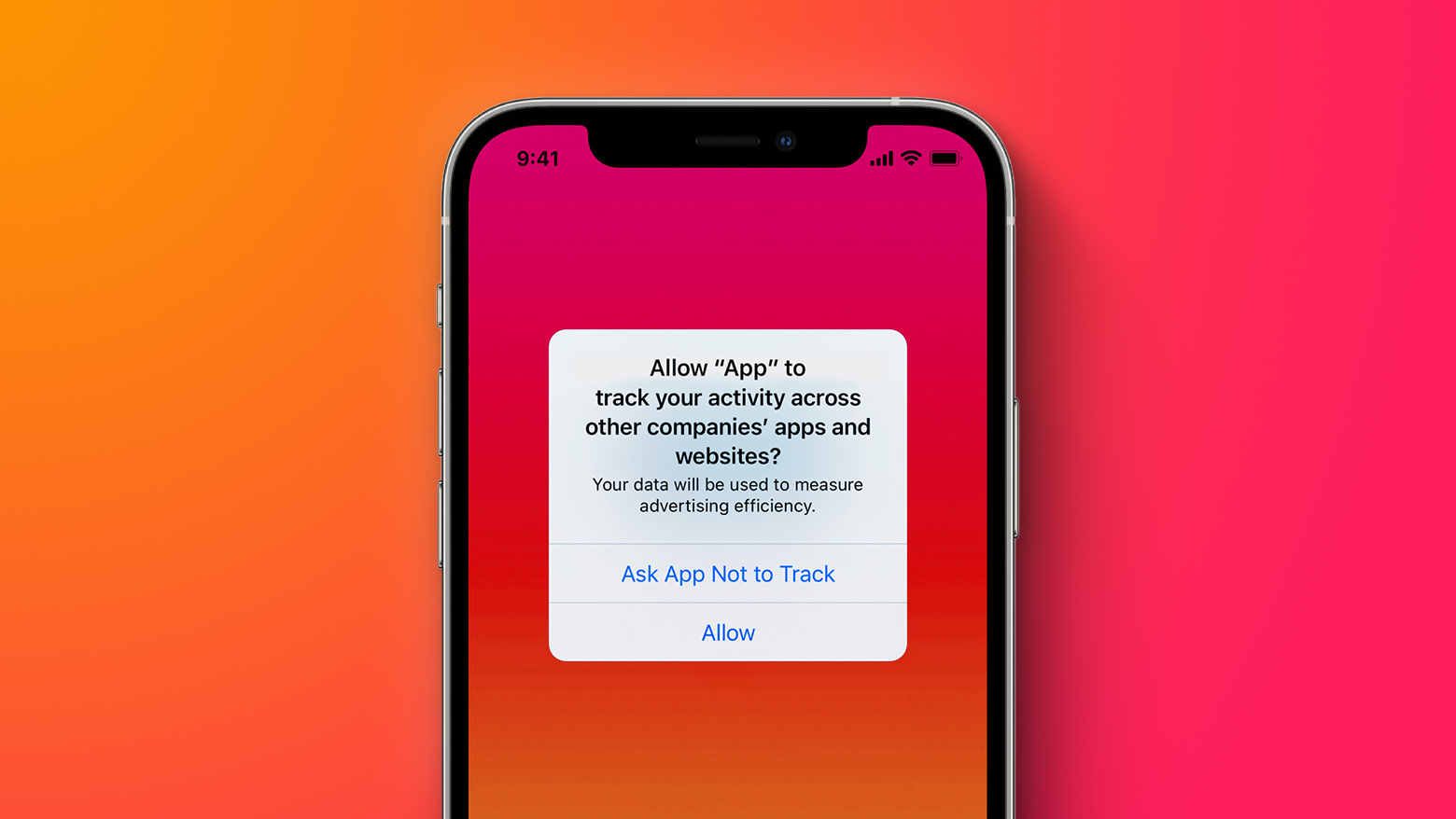
Just when the gaming world thought it was safe to launch its next‑gen titles, a massive $2.7 billion lawsuit against Apple erupts—targeting the very App Tracking Rules that power in‑game ads, leaderboards, and cross‑play. The courtroom drama could spell the end of real‑time player analytics, but the twist? A hidden hardware flaw that might turn iPhones into the *weakest* gaming consoles on the market.
Sources claim the legal filing includes a secret memo linking the tracking ban to a rushed silicon redesign for the upcoming iPhone 15 Pro Max. If the memo is true, gamers could lose the ultra‑low‑latency mode that makes cloud‑gaming viable—leaving them with lag spikes that feel like a dial‑up nightmare. The next paragraph reveals who’s already stockpiling alternative devices.
Inside the leak: a former Apple engineer says the company’s new “Game‑Boost” chip was scrapped overnight to appease regulators, leaving a performance gap that rivals can exploit. Could this be the reason your favorite FPS feels suddenly sluggish? The answer may lie in a mysterious partnership between a rival chipset maker and the biggest esports leagues—details that could rewrite the future of mobile esports.
What does this mean for you, the gamer? Brace yourself for a potential cascade of refunds, a wave of indie titles pivoting to Android, and a shocking new policy that could force developers to embed *offline* tracking—turning your favorite multiplayer experiences into a privacy‑free zone. Stay tuned, because the next court filing could drop tomorrow, and it might just rewrite the rules of mobile competition.